1.jpg)
Is Your Grain Storage Ready for Harvest?
Harvest season is approaching, and now is a good time to take a closer look at your grain storage.
Having enough storage capacity can make harvest run more smoothly and give you more flexibility in when and where you sell your grain. If you're consistently filling every bin during harvest, it may be worth looking at your storage capacity before you're trying to figure out where the next load will go.
Before harvest gets underway, here are a few things to think about.
1. Look at Your Current Storage Capacity
Start with the basics: Do you have enough storage for the amount of grain you expect to harvest?
If your existing bins are routinely filled to capacity, adding another bin can give you more flexibility during harvest and more room to plan for future growth. Additional storage can also allow you to keep different crops or varieties separated and make better use of your existing equipment.
It’s worth looking beyond this year's expected harvest, too. If your operation is growing, planning storage based only on today's needs could leave you facing the same problem again in a few years.
2. Inspect Your Existing Bins
Before putting grain into storage, take some time to inspect your existing bins and equipment.
Look for signs of wear, damage, or corrosion. Check fans, aeration systems, unloading equipment, roofs, doors, and other components to make sure everything is working properly before you need it.
A little preparation before harvest can help prevent unexpected problems when the bins are full and the equipment is needed most.
3. Don't Overlook the Foundation
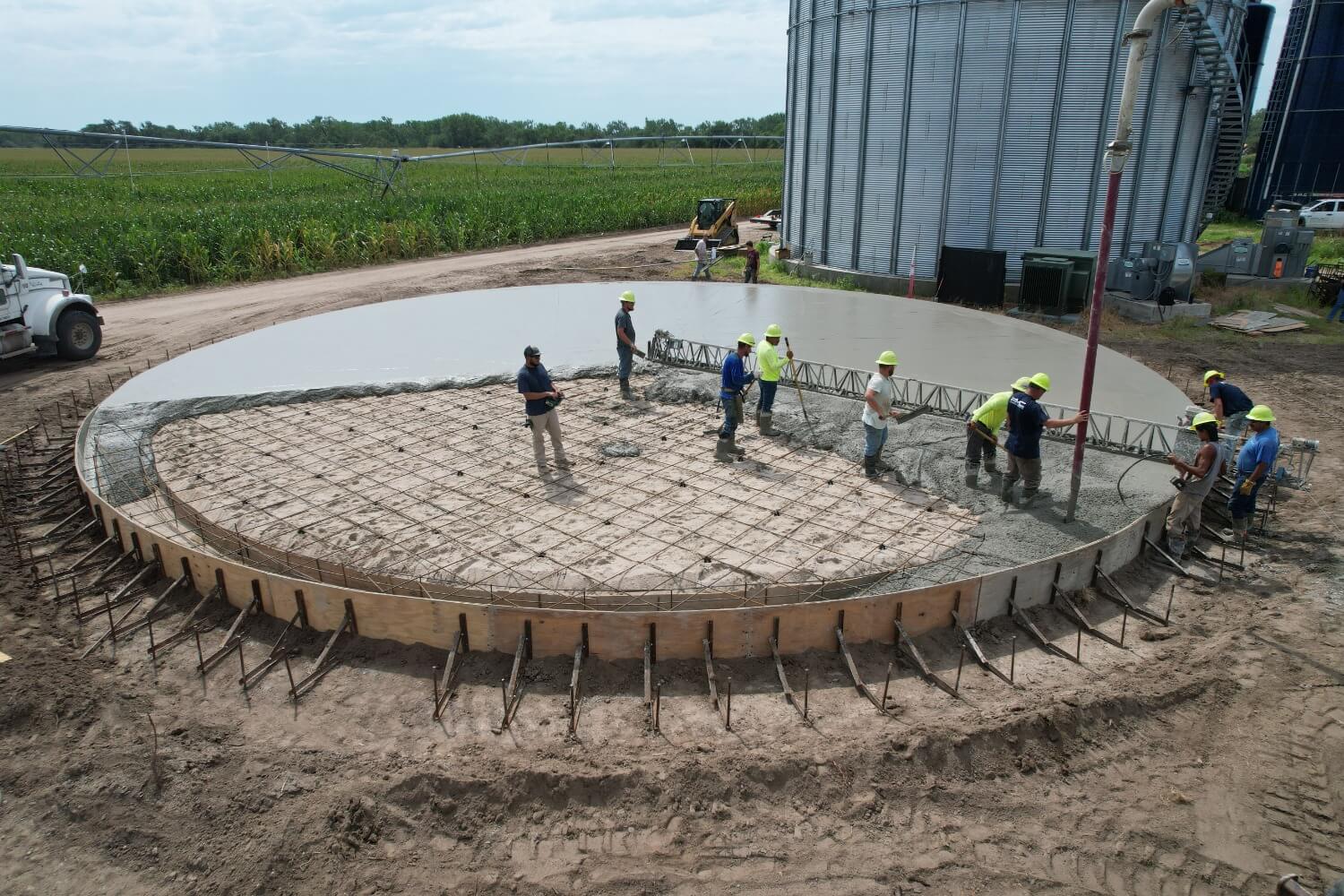
The concrete foundation is one of the most important parts of a grain storage system. It supports the bin and the weight of the stored grain, so proper planning and construction matter. The size of the bin, site conditions, and how the new bin will fit into the rest of the operation all need to be considered before construction begins.
When you're planning a new bin, the foundation should be part of the conversation from the beginning, not an afterthought. At SMC Concrete & Construction, we understand that a grain bin project starts with a solid foundation and proper site preparation.
4. Think About How the New Bin Will Fit Your Operation
Adding storage isn't just about choosing a bin size. Consider how the new bin will work with the rest of your operation.
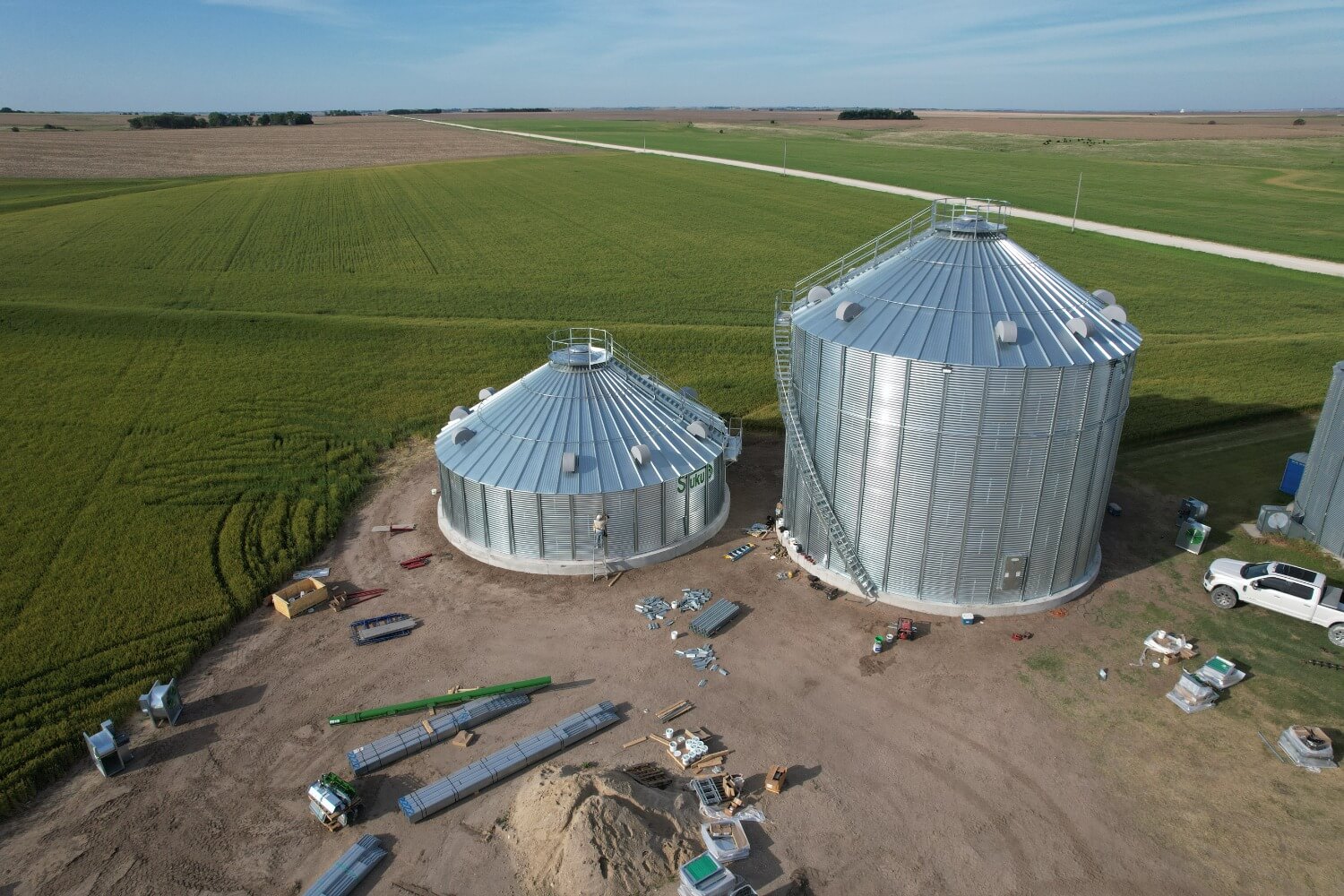
SMC sells and builds Sukup grain bins for a range of grain storage needs. We also offer AGI BinManager and SureTrack monitoring, which can help you keep an eye on conditions inside your bins. BinManager monitors moisture, temperature, and inventory and can provide information remotely through SureTrack, helping you stay informed about stored grain.
Think about truck access, loading and unloading, existing bins, grain handling equipment, electrical needs, and how you'll move grain through the site during harvest. Planning the layout and equipment together can help make the finished system more efficient and easier to use.
5. Start Planning Before You Need the Space
If you’re already thinking about where next year’s grain will go, that’s a good reason to start planning now. New grain storage involves more than the bin itself, and allowing time for site preparation, concrete work, equipment, and construction can help keep the project on track.
Starting early also gives you time to look at your options and make sure the new storage fits the way your operation works.
The best time to start thinking about another bin usually isn't when you're standing in the field wondering where the next load is going to go.
Planning Your Next Grain Storage Project
If you're considering adding grain storage, now is a good time to start planning. SMC Concrete & Construction can help with your grain storage project from the ground up, including Sukup grain bins, site preparation, concrete foundations, construction, and AGI BinManager and SureTrack monitoring.
Contact us to discuss your next grain storage project.